
- April 15, 2024
How to Manage A Remote Team?
Contents
Managing a remote team is harder than managing teams working in the office. You don’t get to see, for instance, the pace of their work when they are struggling, how they interact with others, and where their development needs are. When managing remote teams effectively, flexing how you manage others is needed.
Most management principles and key skills remain exactly the same, just applied in a slightly different way. To help you with managing remote teams we’re going through eight actionable steps that managers can implement effectively.
So, let’s dive in and discover how to navigate the challenges and capitalize on the opportunities of managing remote teams.
Managing Remote Teams - 8 Effective Ways
Set Crystal Clear Expectations
whenever you’re asking others to achieve a goal, solve a problem, or do a task. Being very clear about what you want from them is super important. When the team member is working from home, setting Crystal Clear expectations is even more important.
When setting work, a good place to start is to ask what their current priorities are and what they are working on. This helps you work out where your latest request should sit on a priority list. Then, you can ask them to complete pieces of work in a specific order.
Always set clear time frames when managing remote employees. Check whether your team member is able to deliver within the time frame you requested. Take the time to explain why you’re asking for this piece of work. Explain how this piece of work fits into the bigger picture. If you can connect the work to the individual’s career goals and to the team and Company goals, even better.
Make sure you always set SMART expectations.
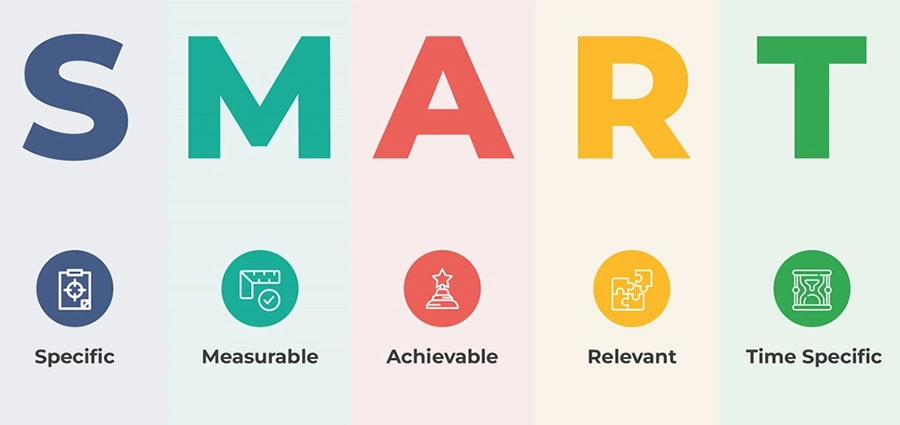
For higher performers or more experienced team members, think about delegating problems rather than tasks. This gives them a lot more to do and helps them build a range of skills that you just don’t get doing tasks alone.
Ask people to summarize what you have asked for. This gives you feedback on how clearly you have that set of expectations. Follow up the conversation with an email so you both have a clear reference point.
Establish Team Rules
Establishing team rules when managing a remote team is much more important. Team members are not able to see your decisions and actions as they would be able to in the office, which makes it harder for them to judge the rules.
To compensate, spend more time establishing the rules with the team. You could tell them what you expect from them. You could coach them to a Collective Agreement so they have more input and ownership or anything in between.
Capture these rules in writing and share them. The procedures the team undertakes should be documented in writing and process diagrams. Also, share timetables of meetings and deadlines.
These steps provide everyone with reference information to cover the basic expectations and rules expected of them.
NOTE: Only set rules that you are happy to live by personally. If you’re not willing to follow the rules, no one else in your team will take them seriously.
Over Communicate
Communication is important in the best of times. It is consistently one of the biggest problems in any company. so spending even more time on communication will help in managing a remote team.
When managing teams working from home, I suggest that you double-ish the time you spend communicating.
When working remotely, you miss out on lots of communication methods available in the office. Like,
- Background conversations, plus all the Q&A that goes on
- Ad-hoc conversations in meeting
- whiteboards on the wall, Etc.
This drop in the level of communication can leave people feeling isolated and cut off from all the information they would normally have in the office, which in turn can create problems.
Here are six actions to over-communicate when leading a remote team:
- Shared Diaries within the team: Implement shared diaries within the team so everyone can check when team members are available. Sharing what you’re working on helps foster open and honest working practices within the team, too.
- Book a daily check-in meeting: you’ll make the meeting short and cover the top two to three priorities for each person that day or the week and then look at progress against each of these priorities.
- Create collaboration opportunities: Try to Create collaboration opportunities with team members and between teams. Setting up tasks with two plus employees involved fosters teamwork and social interaction.
- Make extra time to praise great work decisions or actions: Positive reinforcement works and everyone enjoys receiving well-deserved praise. Use team meetings, emails and software to share the praise publicly when appropriate.
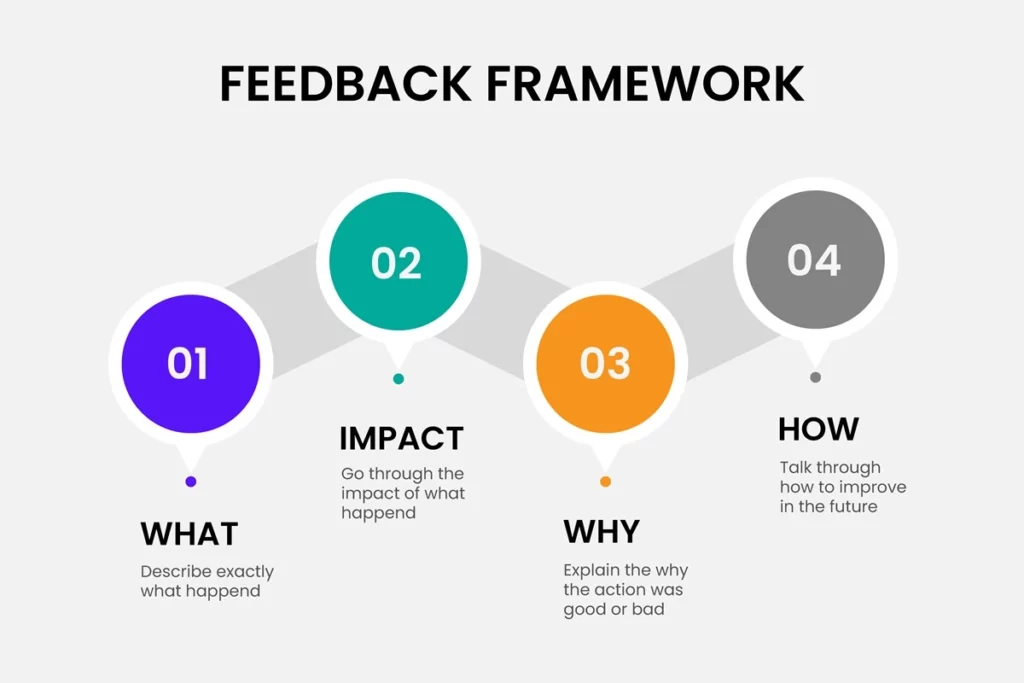
- Provide lots of feedback: Provide feedback through multiple mediums when managing remote teams. Call them, email them, text them, and make a fuss of them at Team meetings. Make the time to give extra feedback to individuals.
- Use project management tools: It’s a very good idea to create visibility of activities and projects that everyone is working on. Creating visibility using software makes up for some of the lack of visibility that working from home creates.
Managing remote teams demands more time to communicate. Tell the team what is progressing around the Wider business. Give them context and explain to them where they and their work fit into the bigger picture. Show progress towards goals whenever you can over-communicate.
Focus On Goals, Not Activity
When you are involved with remote team management, you can’t see what activity is happening as you would if everyone were in the office.
If you try to track activity, like requiring everyone to update progress daily in project management software, you risk micromanaging everyone. If you’re managing a group of skilled employees, then any hint of micromanaging is the last thing you want.
Focus on achieving goals; focus your team on achieving goals. If you set crystal clear expectations and use smart goals within these expectations, everyone should be clear about what goals need to be achieved.
A very useful approach as a manager is to focus on how you can help the individuals or teams achieve the goals. Through helping, you have huge opportunities to find out exactly where progress has gone and what the issues are without a hint of micromanagement.
So spend time mentoring, coaching, supporting each person and getting the right resources in place at the right time for them to do a great job.
Show Flexibility
Working from home gives everyone more flexibility and allows them to work in a way that suits them. Think about those who rise late and work late, those who prefer to go to the gym at lunchtime and those with school drop-offs, Etc.
Working from home makes fitting all the non-work commitments and interests a lot easier. It also provides their manager with flexibility in their approach to these absences within typical working hours.
The flexibility of remote work is a significant benefit for employees and a powerful tool for talent attraction and retention among managers. However, monitoring individual work hours, especially in remote settings, can be challenging and may erode trust. Instead, prioritize goal-oriented management and trust team members to achieve objectives in their own time and manner.
If certain employees consistently miss deadlines or don’t provide the output quality needed, then you can start more formal processes to get them back on track, such as a performance Improvement plan. Be flexible in your approach.
Mentor More Than Manage
If you’re managing skilled individuals in office environments, I think a mentoring approach rather than a management approach is a must. As skilled individuals have worked hard to acquire those skills, they are likely to be self-motivated, self-disciplined, and ambitious.
Focusing more on mentoring rather than traditional management is a better way of harnessing your team members’ talents and keeping their motivations high.
Some of the features of taking this approach include,
- Providing support and help so that they can get the task activity or project completed quicker or better.
- Sharing your experiences and learning so they can develop their skills quicker and to a better level.
- Focus on developing their skills and career, which helps you as a manager
- in a whole range of ways.
- Extend trust until they give you reasons to withdraw it.
- Flexing your approach to the individual and the situation to meet their needs best rather than doing what you enjoy most.
Most employers want to do a good job, and as managers, they want to create the right environment with the right resources, etc. So, team members have the best chance of doing a good job, which is a no-brainer.
So, when managing remote employees, this supportive approach becomes even more important, especially as there are different problems to overcome, and you can’t see what is happening with each employee nearly as easily.
Prevent Burnout
With more employees working from home more often, burnout has become a bigger issue. When you leave work to go into the office, you cross a clear barrier between home and work life. Over the years, technology has blurred this barrier. Working from home and hybrid working have practically removed this barrier, especially when work stops and downtime starts.
As a manager, it is in your interest to prevent your team members from burning out. If they do, they’ll be off work much more, and when they are at work, they’ll be less productive. Burnt-out employees are much more likely to leave your team, too, which will cause you headaches and incur a lot of time and cost in replacing them.
When thinking about how to manage a remote team and encourage employees, you have to,
- Create downtime in their schedules, particularly in the evenings and at weekends.
- Ask them to help you in managing their workload and stress levels by giving you realistic feedback about them and their workloads.
- Encourage them to ask for help sooner rather than later, which reduces their pressure and stress.
I recommend booking a weekly one-on-one meeting with your remote team members and chatting with them about their workload and pressures. You’ll get the insights you need to help manage their workloads and help them with work.
Their working practice is to think carefully about the work you give your team members and when you set deadlines. Make sure you are not the cause of your team members burning out.
Encourage Social Interaction
The eighth action for managing remote teams is to encourage social interaction. You know, with a lot more teams working from home. We don’t have as much social interaction with colleagues within and outside of our teams.
Humans, through Time, have existed in groups. We need social interaction. Forming personal and professional relationships at work helps you with,
- Teamwork and general happiness at work
- Getting things done
- Getting promoted (because, promotion is as much about relationships as it is about being able to do a great job).
When managing a remote team, it is important to work at overcoming the barriers to forming personal and professional relationships. Booking more non-work events and activities to encourage people to mix and socialize. You include a range of physical and online at different times so that everyone can attend some of the events.
Here’s a range of non-work event ideas for you:
- Organize interactive quizzes with exciting prizes.
- Engage the team in problem-solving activities such as quizzes, brain teasers, and other challenges.
- Create fun challenges like a virtual cook-off where everyone follows an online recipe and compares their results.
- Plan scavenger hunts within the house for a lively team-building activity.
- Host a cozy virtual campfire session for sharing stories, icebreakers, and jokes to foster team bonding.
- Facilitate simple exercises like “Two Truths and a Lie” to help team members get to know each other better.
- Encourage sharing by posting pictures of personal spaces like refrigerators or desks, and let others guess which team member it belongs to.
- Add a twist to team bonding with online bingo sessions for some light-hearted fun.
Whatever activities and events you organize, make sure they are fun, and team-oriented and help everyone get to know others on a personal level. Keep work firmly off the agenda, and don’t forget to bring in people from outside of your team, too, so you can have some cross-team socializing.
Keep it fun and inclusive.
Final Thoughts
Check out these 8 tried-and-tested tips for effectively managing remote teams. While they may seem straightforward, each presents unique challenges for HR professionals.
Implementing these tips requires time, focus, and consistency. If you execute them successfully, trust me, you’ll appreciate the results, and your organization will reap the benefits.
Consider leveraging AI within the HR team to streamline processes. My tips for managing remote teams revolve around applying traditional management skills to a slightly altered work environment. Adapt your management approach accordingly to thrive in remote team management.
Some FAQs About Managing Remote Teams
Effective communication can be ensured by utilizing various tools like video calls, instant messaging, and project management platforms. Regular check-ins and clear communication of expectations can also keep everyone on the same page.
Building trust starts with setting clear goals and expectations, providing support and feedback, and being transparent about decisions and processes. Encouraging open communication and fostering a positive team culture can also strengthen trust among team members.
Keeping remote team members engaged and motivated requires proactive efforts such as recognizing their achievements, providing opportunities for growth and development, and promoting work-life balance. Creating a sense of belonging through virtual team-building activities and regular interaction can also boost morale.
To address time zone and cultural differences challenges, you can establish flexible working hours or overlapping core hours for team meetings and collaboration. It’s also important to promote cultural awareness and sensitivity among team members and provide resources for cross-cultural communication and understanding.
Essential tools and technologies for managing remote teams include video conferencing platforms like Zoom or Microsoft Teams, project management tools like Asana or Trello, instant messaging apps like Slack or Microsoft Teams, and cloud storage solutions like Google Drive or Dropbox. Additionally, collaborative tools for document sharing and real-time collaboration can enhance productivity and efficiency.
Addressing work-life balance and burnout concerns involves:
- Setting clear boundaries between work and personal time.
- Encouraging regular breaks.
- Promoting self-care practices among team members.
Implementing flexible work schedules and offering support resources for mental health and well-being can also help prevent burnout and promote a healthy work environment.
Fostering collaboration and teamwork in a remote setting requires creating opportunities for:
- virtual brainstorming sessions
- team projects
- and cross-functional collaborations.
Encouraging active participation and contribution from all team members, establishing clear roles and responsibilities, and promoting a sense of camaraderie through virtual team-building activities can strengthen collaboration and teamwork.
Handling performance management and feedback for remote team members involves:
- Setting clear performance goals and expectations.
- Providing regular feedback and coaching.
- Conducting periodic performance reviews via video calls or virtual meetings.
It’s important to focus on outcomes and results, recognize achievements, and offer constructive feedback for continuous improvement.